-
Tritone Subs, Part 5-Video 1-Tritone Subs & Soloing
This Video is Part 1 (of 3) in Part 5 of the tritone set uses the chord progression of Recorda Me.
-
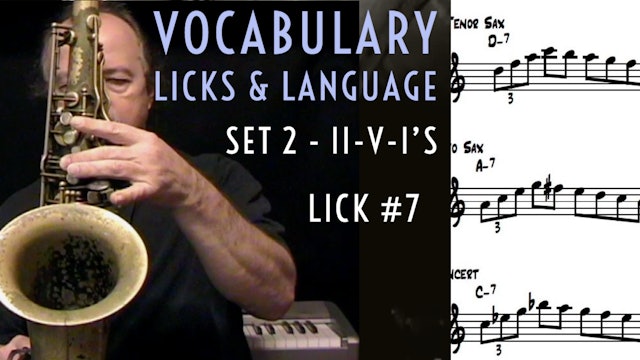
Vocabulary, Licks, & Language Set 2, #7
This ii-V-I combines the Dorian and Mixolydian scales along with an enclosure.
-
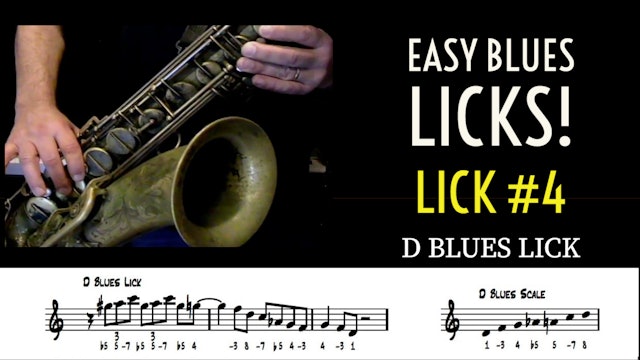
Easy Blues Lick #4
Easy Blues Lick #4 is based on the D Blues Scale.
-
Recorda Me-Phrasing Demo Quick Tunes #22
The phrasing demo for Quick Tunes #22 on Recorda Me
-
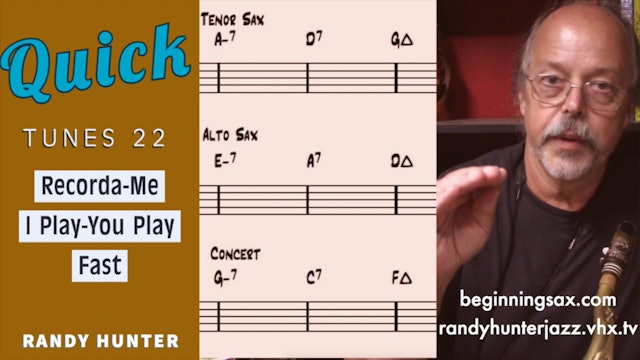
Recorda-Me - Lesson-Quick Tunes #22
Learn to solo on the tune, Recorda-Me, by the great jazz saxophonist, Joe Henderson.
-
Recorda Me Slow I Play You Play Quick Tunes 22
This I Play-You Play video was created using the slow playalong track from the lesson-Quick Tunes 22
-
Recorda Me Fast I Play You Play Quick Tunes 22
This I Play-You Play video was created using the fast playalong track from the lesson-Quick Tunes 22
-
Tritone Subs - Part 4 (Video 2); Conceptualizing the Tritone Sub
Learn to conceptualize tritone subs on ii-V-I progressions.
-
Tritone Subs, Part 4 - I Play-You Play Quick Change ii-V-I's
This is one of the I Play-You Play video that goes with Part 4, Video 2 in the Tritone Subs series.
-
Tritone Subs, Part 4 - I Play-You Play Long Change ii-V-I's
This is one of the I Play-You Play video that goes with Part 4, Video 2 in the Tritone Subs series.
-
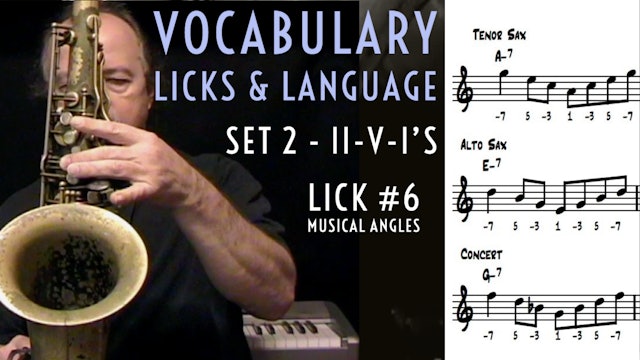
Vocabulary, Licks, & Language Set 2, #6
This ii-V-I lick addresses the use of musical angles.
-
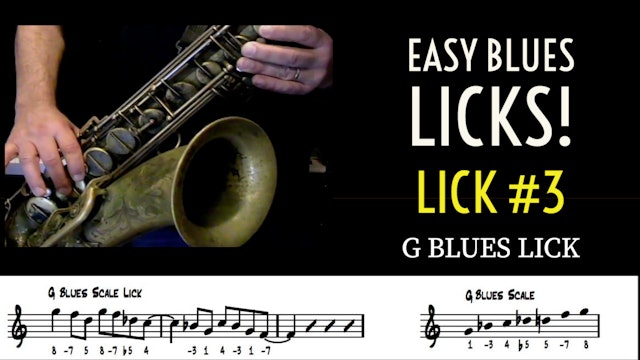
Easy Blues Lick, #3
This easy blues lick is shown in the key of G.
-
Tritone Subs - Part 4 (Video 1); Conceptualizing the Tritone Sub
Begin the process of conceptualizing and learning to create tritone subs. (Video 1 of 2 in part 4)
-
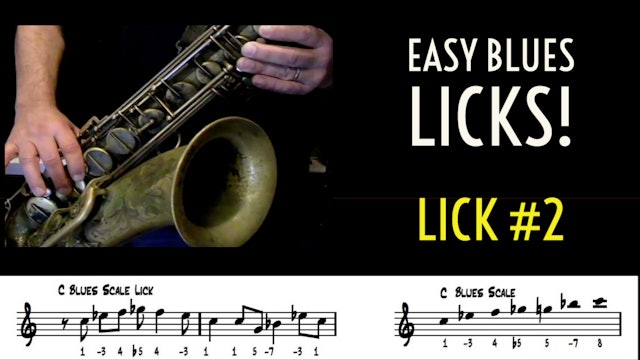
Easy Blues Lick 2
This blues lick is presented in the key of C with instructions on learning it in different keys.
-
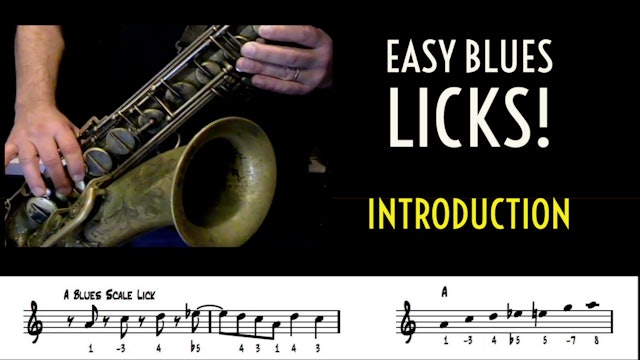
Easy Blues Licks - Introduction
Learn about the new series on Easy Blues Licks.
-
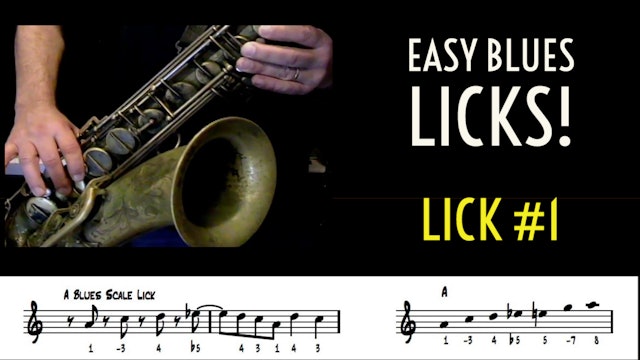
Easy Blues Lick #1
This blues lick is presented in the key of A with instructions on learning it in different keys.
-
Rhythm Changes and the Tritone Substitution
This is a bonus video in the series, The What's, When's & Why's of Tritone Subs
-
Tritone Subs - Part 3; The Pentatonic Equation
Learn how pentatonic scales are used in creating tritone sub passages.
-
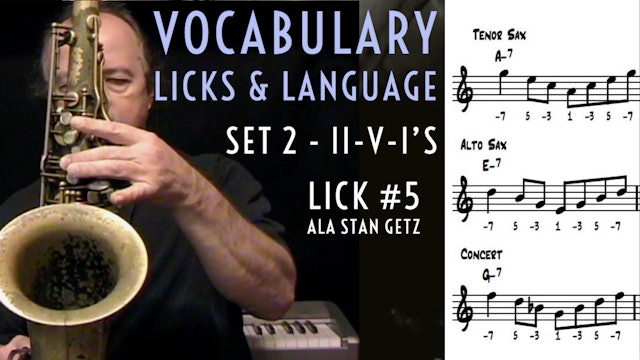
Vocabulary, Licks, Language Set 2 #5 - ala Stan Getz
This one comes to us through Stan Getz' solo on Tangerine - based on an ascending sequence.
-
Tritone Subs - Part 2; Compositional Tritone Subs
Learn to recognize the different types of tritone substitutions in compositions.
-
Tritone Subs - Part 1; What is a Tritone Sub?
In part 1 of the series, you'll learn what a tritone sub is and why it works.
-
Vocabulary, Licks, & Language Set 2, Lick #4 ala Sonny Rollins
This one comes from a Sonny Rollins solo on Almost Like Being in Love- two licks included!
-
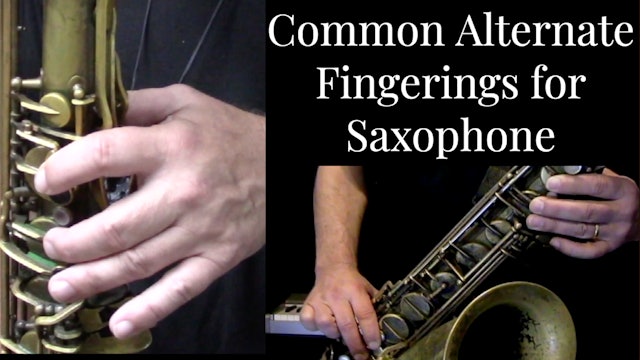
Common Alternate Fingerings for Saxophone
Learn the most common fingering options to facilitate technique and style- plus a cool F Blues Lick!
-
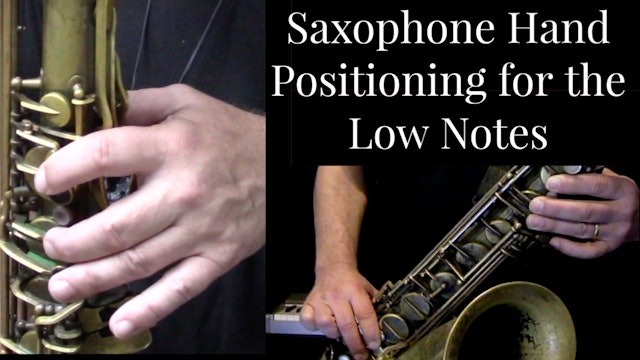
Saxophone Hand Positioning for the Low Notes
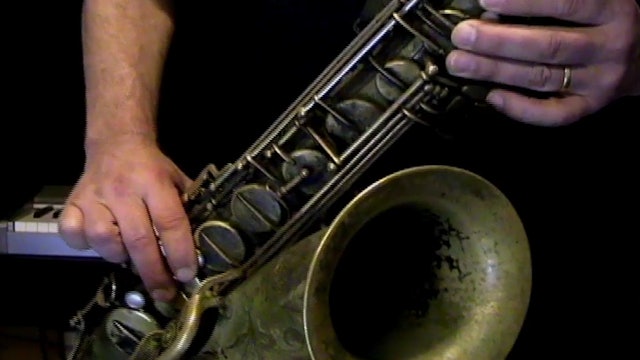
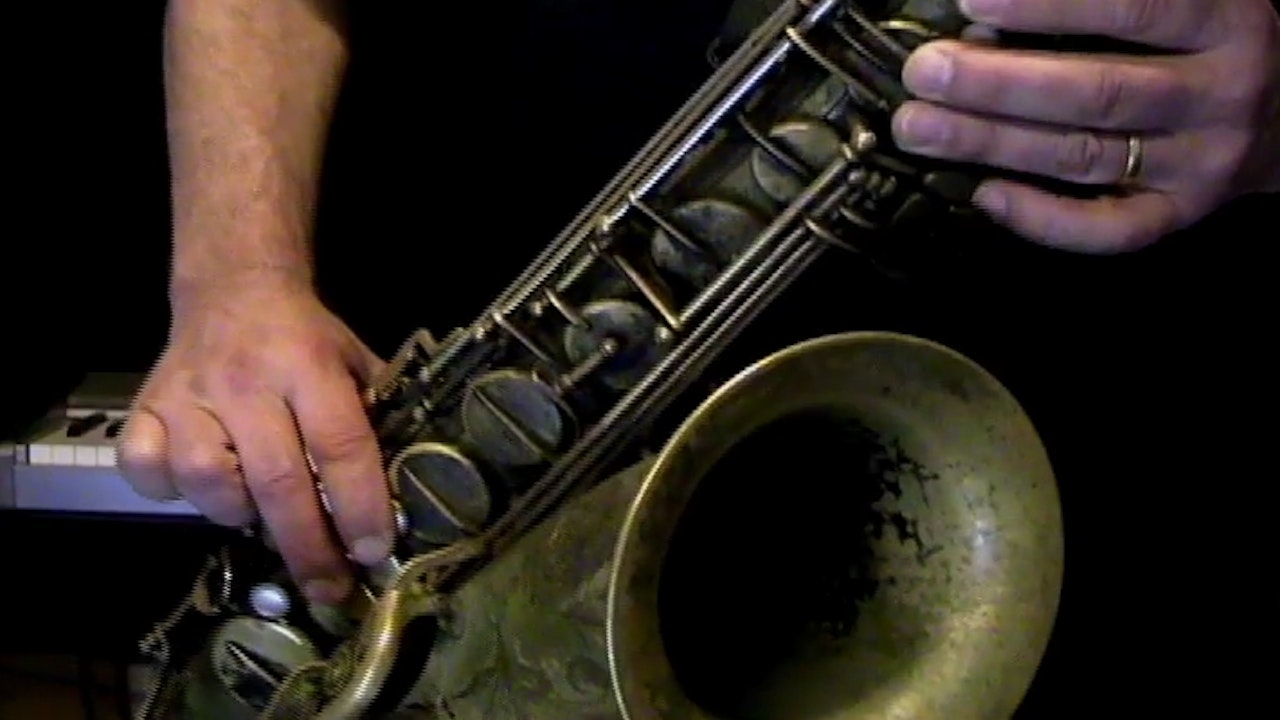
Learn the correct hand positioning for facilitating your technique in the low register.